
Introduction
Workplace automation is no longer a futuristic ambition — it is the foundation of modern digital competitiveness. Organizations that adopt structured automation strategies gain measurable advantages in efficiency, scalability, and innovation.
Understanding the first step toward an automated workplace helps leaders transition from fragmented digital initiatives to integrated intelligent operations.
This guide explores:
-
Automation fundamentals and strategic importance
-
Readiness assessment frameworks
-
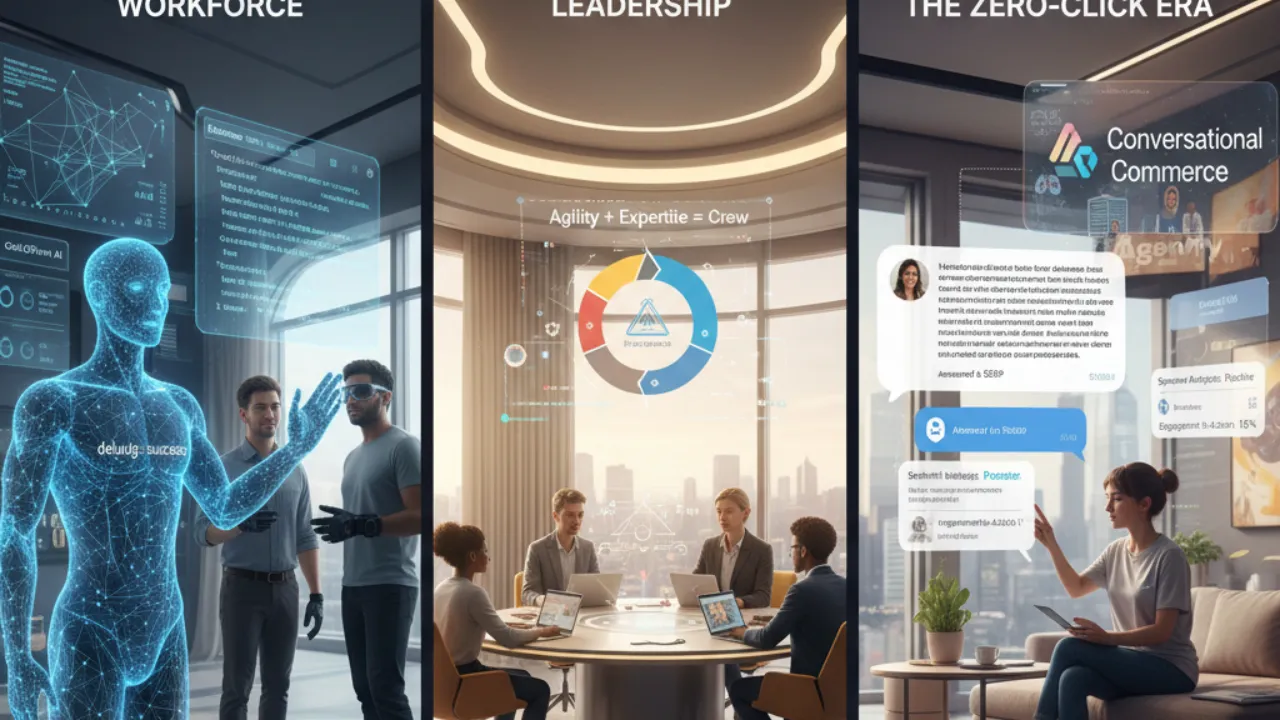
Workforce transformation strategies
-
Automation ROI and performance metrics
-
Future intelligent workplace models
What Is Workplace Automation?
Workplace automation refers to the integration of digital technologies to streamline repetitive tasks, optimize workflows, and enhance operational decision-making.
Modern automation extends beyond simple task execution to include:
-
Cognitive automation systems
-
Intelligent workflow orchestration
-
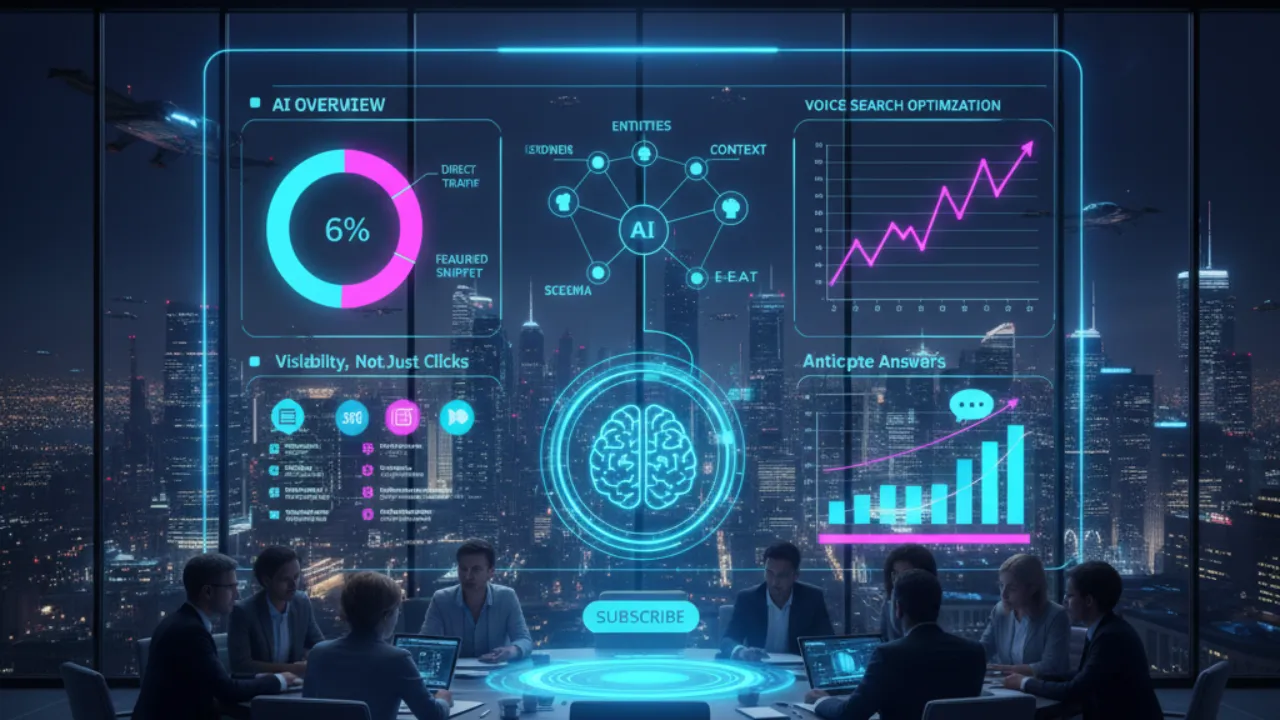
Predictive performance analytics
-
Human-AI collaboration environments
This transformation marks the shift toward intelligent enterprise ecosystems.
Evaluating Automation Potential
Before implementing automation initiatives, organizations must analyze:
-
Process complexity and repeatability
-
Data availability and quality
-
Technology infrastructure maturity
-
Workforce digital competency
A structured readiness assessment ensures sustainable automation adoption.
Building an Automation Roadmap
A successful automation strategy requires:
-
Clear business outcome alignment
-
Prioritization of high-impact workflows
-
Governance frameworks for automation deployment
-
Integration with existing enterprise systems
Strategic planning transforms automation from a tactical tool into a long-term competitive capability.
Preparing Employees for Intelligent Workflows
Automation reshapes job roles and skill requirements. Organizations must focus on:
-
Digital skill development
-
Change management frameworks
-
Human-AI collaboration models
-
Organizational culture adaptation
This approach supports the creation of an AI-ready workforce.
Key Automation Metrics
Effective measurement includes:
-
Productivity improvement ratios
-
Operational cost reduction
-
Workflow cycle time optimization
-
Innovation output indicators
Data-driven performance evaluation ensures continuous improvement.
Emerging Intelligent Enterprise Models
Next-generation workplaces will incorporate:
-
Autonomous workflow orchestration
-
Hyperautomation ecosystems
-
Predictive organizational analytics
-
AI-driven decision intelligence
These developments redefine automation as enterprise intelligence augmentation.
Step-by-Step Guide: Starting Workplace Automation
Step 1: Identify High-Impact Processes
Focus on repetitive workflows with measurable inefficiencies.
Step 2: Conduct Automation Readiness Analysis
Evaluate technological and organizational preparedness.
Step 3: Select Automation Technologies
Choose solutions aligned with operational objectives.
Step 4: Launch Pilot Automation Initiatives
Test automation in controlled environments.
Step 5: Train Workforce and Manage Change
Develop skills and foster adoption.
Step 6: Measure Performance and Optimize
Use analytics to refine automation strategies.
Step 7: Scale Automation Across the Enterprise
Expand automation capabilities systematically.
FAQ: The First Step Toward an Automated Workplace
What is workplace automation strategy?
It is a structured approach to integrating digital technologies that streamline operations and improve organizational performance.
Why is automation important for modern organizations?
Automation enhances efficiency, reduces operational costs, and enables scalable innovation.
How can companies begin automation transformation?
By identifying repetitive processes, assessing readiness, and implementing pilot automation projects.
What are the risks of workplace automation?
Risks include implementation complexity, workforce resistance, and governance challenges.
How does automation impact employees?
Automation shifts focus toward strategic, creative, and analytical roles.
What technologies drive workplace automation?
Artificial intelligence, machine learning, and robotic process automation are key enablers.
How is automation ROI measured?
Through productivity metrics, cost savings, and performance improvements.
What is an AI-ready workforce?
A workforce equipped with digital skills and adaptability to collaborate with intelligent systems.
What is hyperautomation?
An advanced automation approach combining AI, analytics, and workflow orchestration.
What is the future of automated workplaces?
Future workplaces will feature autonomous systems and predictive operational intelligence.